OpenAI Swarm for Multi-Agent Collaboration: A Guide for UN IT Teams
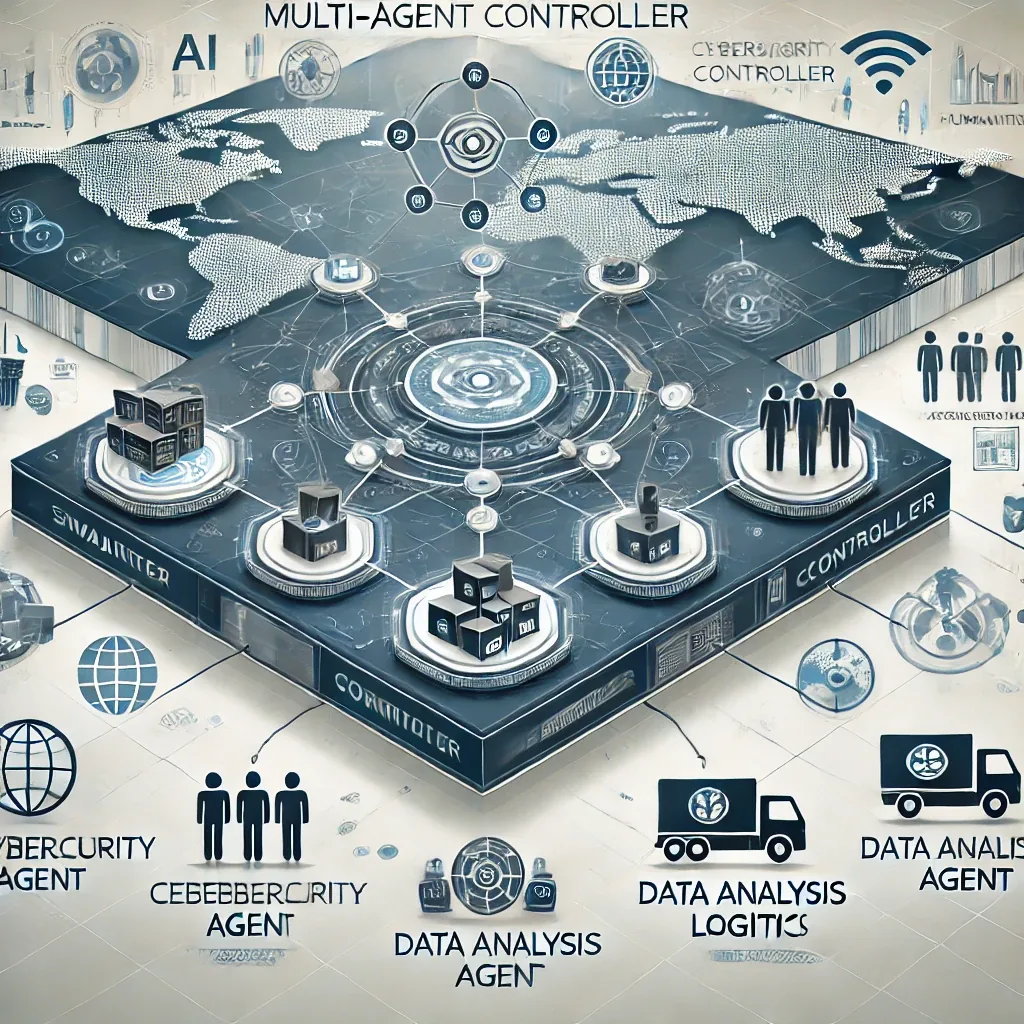
OpenAI Swarm provides a robust framework for coordinating multiple AI agents, enabling efficient task specialization, seamless collaboration, and scalable solutions. In the United Nations context, this technology offers transformative potential for enhancing data analysis, streamlining humanitarian operations, and improving user interactions across diverse domains
Published 2025-01-06 · By Shahzad Asghar
OpenAI Swarm for Multi-Agent Collaboration: A Guide for UN IT Teams
Excerpt
OpenAI Swarm provides a robust framework for coordinating multiple AI agents, enabling efficient task specialization, seamless collaboration, and scalable solutions. In the United Nations context, this technology offers transformative potential for enhancing data analysis, streamlining humanitarian operations, and improving user interactions across diverse domains.
1. Why Use Multi-Agent Systems in the UN Context?
With OpenAI Swarm, IT teams in the United Nations can optimize task allocation, ensure seamless coordination, and improve user experiences. By leveraging specialized AI agents, teams can achieve:
- Parallel Efficiency: Handle diverse operational tasks simultaneously, reducing delays.
- Task Specialization: Assign specific tasks, such as data analysis or cybersecurity monitoring, to dedicated agents.
- Context Continuity: Maintain smooth transitions during task handoffs between agents.
- Scalability: Easily integrate new agents to handle additional workloads or emerging needs.
2. Core Components of OpenAI Swarm
The OpenAI Swarm system is built on the following core components:
- Agents: Specialized AI units with specific instructions and tools for handling tasks like compliance checks or analytics.
- Handoff Logic: Transfers tasks between agents while preserving conversation context.
- Routines: Predefined workflows that agents follow to execute tasks effectively.
- Agent Pool: A shared environment where agents operate, ensuring tasks are assigned to the best-fit agent.
3. Architecture Overview
[User / Field Staff]
        |
        v
[User Interface] ---> [OpenAI Swarm Controller] ---> [Agent Pool]
        | / | \
        | / | \
        v / | \
[Handoff Logic] <----------- ... ...
        ^
        |
[Routines]
This architecture ensures efficient communication between agents, with the Swarm Controller coordinating all tasks and transitions.
4. Sample Code Snippet
Below is an example of setting up multiple agents under a Swarm Manager:
class BaseAgent:
    def __init__(self, name, tools=None):
        self.name = name
        self.tools = tools if tools else []

    def can_handle(self, request):
        return False

    def handle_request(self, request):
        return f"{self.name} processed the request: {request}"

class DataQualityAgent(BaseAgent):
    def can_handle(self, request):
        return "data check" in request.lower()

class CyberSecurityAgent(BaseAgent):
    def can_handle(self, request):
        keywords = ["security", "threat", "vulnerability"]
        return any(word in request.lower() for word in keywords)

class LogisticsAgent(BaseAgent):
    def can_handle(self, request):
        return "shipment" in request.lower() or "delivery" in request.lower()

class SwarmManager:
    def __init__(self, agents):
        self.agents = agents

    def route_request(self, user_input):
        for agent in self.agents:
            if agent.can_handle(user_input):
                return agent.handle_request(user_input)
        return "No suitable agent found. Please clarify your request."

if __name__ == "__main__":
    data_agent = DataQualityAgent(name="DataQualityAgent")
    security_agent = CyberSecurityAgent(name="CyberSecurityAgent")
    logistics_agent = LogisticsAgent(name="LogisticsAgent")

    swarm = SwarmManager([data_agent, security_agent, logistics_agent])

    user_requests = [
        "Could you run a data check on last week’s reports?",
        "Is there a security risk in the new software?",
        "Track the next shipment for the field office"
    ]

    for request in user_requests:
        response = swarm.route_request(request)
        print(f"User input: {request}")
        print(f"Response: {response}\n")
5. Practical Use Cases for the UN
- Data Analysis and Reporting: Agents analyze field data, apply predictive models, and distribute actionable insights.
- Humanitarian Support: Assist with resource tracking, beneficiary support queries, and coordination with partner agencies.
- Resource Allocation: Optimize supply chains, manage requests, and ensure fair distribution of critical resources.
- Cybersecurity: Monitor threats, analyze logs, and handle incidents with specialized agents.
- Strategic Planning: Model scenarios based on demographic or operational data to aid decision-making.
6. Conclusion
OpenAI Swarm provides UN IT teams with a structured way to deploy AI agents for operational efficiency, scalability, and enhanced responsiveness. Whether applied to data analysis, humanitarian support, or cybersecurity, this framework equips teams with the tools needed to meet complex challenges effectively.
Written by Shahzad Asghar — Head of Data and Digital Solutions at UN-ESCWA, with 20+ years building AI and data systems across UNHCR, UNICEF, and UNOCHA. His team built UNHCR’s first global IVR appointment system, serving 700,000+ refugees. He created the Last-Mile AI Framework. Read more about this UN AI expert