The Role of Artificial Intelligence in Achieving the UN Sustainable Development Goals (SDGs)
Discover how artificial intelligence is accelerating progress towards the UN Sustainable Development Goals, from fighting hunger to climate action.
Published 2024-11-08 · Updated 2025-01-04 · By Shahzad Asghar
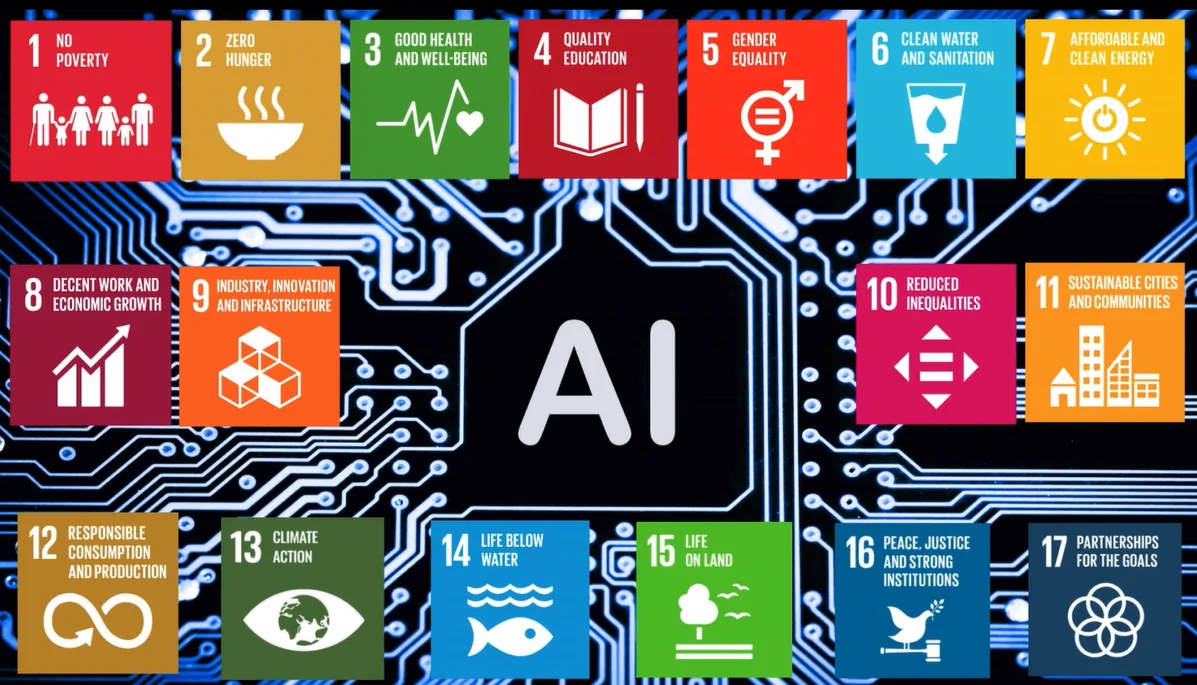
The United Nations Sustainable Development Goals (SDGs) are a universal call to action to end poverty, protect the planet, and ensure prosperity for all by 2030. While these goals are ambitious, emerging technologies like Artificial Intelligence (AI) are proving to be powerful tools in accelerating progress. Let's break down a few specific SDGs and explore how AI can contribute to achieving them.
1. SDG 2: Zero Hunger
AI can revolutionize agriculture by optimizing crop yields, predicting weather patterns, and detecting diseases in plants. For instance, AI-powered drones and sensors can monitor soil health and water usage, enabling farmers to make data-driven decisions. This not only increases food production but also reduces waste, helping to combat hunger globally.
2. SDG 3: Good Health and Well-Being
AI is transforming healthcare by enabling early diagnosis, personalized treatment, and efficient resource management. Machine learning algorithms can analyze medical data to detect diseases like cancer at earlier stages, while AI-driven telemedicine platforms bring healthcare to remote areas. These advancements are critical in improving global health outcomes.
3. SDG 7: Affordable and Clean Energy
AI can optimize energy consumption and integrate renewable energy sources into power grids. Smart grids, powered by AI, can balance supply and demand, reduce energy waste, and lower costs. Additionally, AI can improve the efficiency of solar and wind energy systems, making clean energy more accessible and affordable.
4. SDG 13: Climate Action
Climate change is one of the most pressing challenges of our time, and AI can play a key role in addressing it. AI models can predict extreme weather events, track deforestation, and monitor carbon emissions. These insights enable governments and organizations to take proactive measures to mitigate climate risks and protect vulnerable communities.
5. SDG 4: Quality Education
AI-powered tools like personalized learning platforms and virtual tutors are making education more accessible and inclusive. These technologies adapt to individual learning styles, helping students grasp complex concepts at their own pace. AI can also bridge the gap in education by providing resources to underserved communities, ensuring no one is left behind.
6. SDG 9: Industry, Innovation, and Infrastructure
AI drives innovation by enhancing productivity and efficiency across industries. From predictive maintenance in manufacturing to optimizing supply chains, AI is reshaping how businesses operate. By fostering innovation, AI contributes to building resilient infrastructure and promoting sustainable industrialization.
The Road Ahead
While AI holds immense potential, it's important to address challenges like data privacy, ethical concerns, and the digital divide. Collaboration between governments, businesses, and communities is essential to ensure AI is used responsibly and equitably.
By harnessing the power of AI, we can make significant strides toward achieving the SDGs and creating a better, more sustainable future for all. Let's embrace this technology as a force for good and work together to turn these global goals into reality.
What are your thoughts on the role of AI in achieving the SDGs? Share your insights in the comments below!
— Shahzad Asghar
Written by Shahzad Asghar — Head of Data and Digital Solutions at UN-ESCWA, with 20+ years building AI and data systems across UNHCR, UNICEF, and UNOCHA. His team built UNHCR’s first global IVR appointment system, serving 700,000+ refugees. He created the Last-Mile AI Framework. Read more about this UN AI expert